About Ocala Tree Service Pros
Ocala sits in a part of Florida where the tree canopy does most of the work of making a yard livable. It also sits in a hurricane path, on sandy soil, under decades of live oak growth that was never planned around the houses now standing beneath it. Tree work here is less about cutting than about judgment: what stays, what comes down, and what order it comes down in.
Why Ocala Trees Need Local Judgment
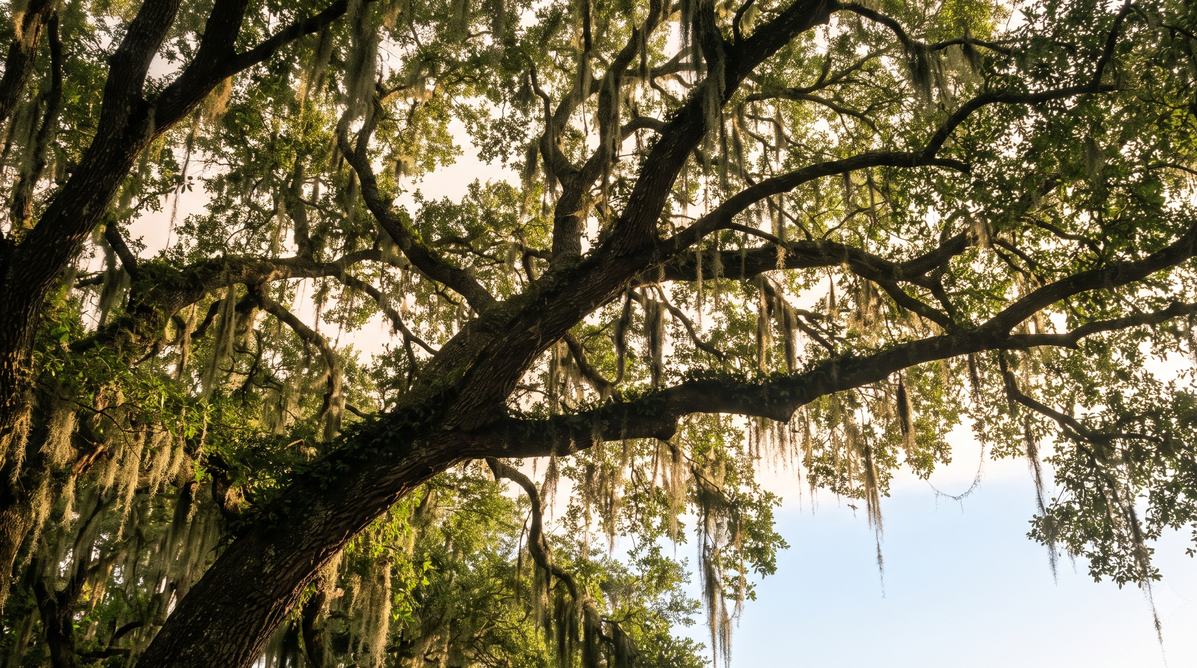
Southern live oak is the tree most Marion County homeowners are dealing with. It grows wide instead of tall, carries enormous lateral weight far out from the trunk, and drapes Spanish moss that hides deadwood until it falls. Laurel oak grows in the same yards, looks similar, and behaves nothing alike: it decays from the inside and can stand green and hollow for years. Sand pine and sabal palm each fail in their own way. Someone who learned the trade in a different climate reads these trees wrong.
Hurricane Season Changes the Question
From June through November the question stops being whether a limb looks bad and becomes whether it will hold at 60 mph. Pruning that matters before a storm is not cosmetic. It is reducing the sail area of the canopy and taking out the deadwood that turns into a projectile. Sandy soil makes it worse: root plates here let go more easily than the same species would in clay, so a tree can be structurally sound and still come over whole.
Working Close to Houses and Power Lines
Most Ocala lots put mature canopy directly over a roof, a screen enclosure, a fence, or a driveway. That rules out felling the tree in one piece and turns the job into a rigging job: sections come down on ropes, in an order chosen so nothing swings into what is underneath. Anything within ten feet of an energized line is a different matter. Those limbs are the electric utility’s call, not a tree service’s, and the right first phone call is to the utility.
What Happens to the Debris
A tree that comes down produces far more volume than most homeowners expect, and cleanup is the part of the job that gets cut short most often. A removal is not finished when the tree is on the ground. It is finished when the wood is hauled off, the drive is blown clear, and the yard is walkable again. Stumps are a separate decision: grinding turns the stump into mulch below grade so the spot can be sodded or replanted, and it takes out the food source that draws termites toward the house.
Getting an Estimate
Every yard here is its own problem, so pricing a job sight unseen is guesswork. The useful first step is a look at the tree, the access, and what sits under it. Calling or texting is the quickest way to reach us at (352) 354-9754, or email info@ocalatreeservicepros.com.